
Hello. Today, I’d like to talk to you about Phase 1 clinical trials, which are one of the key stages in the drug development process. Clinical trials are conducted to verify the safety and efficacy of new drugs, and today we’ll explore how Phase 1 trials are conducted.
1. Concept and Importance of Phase 1 Clinical Trials
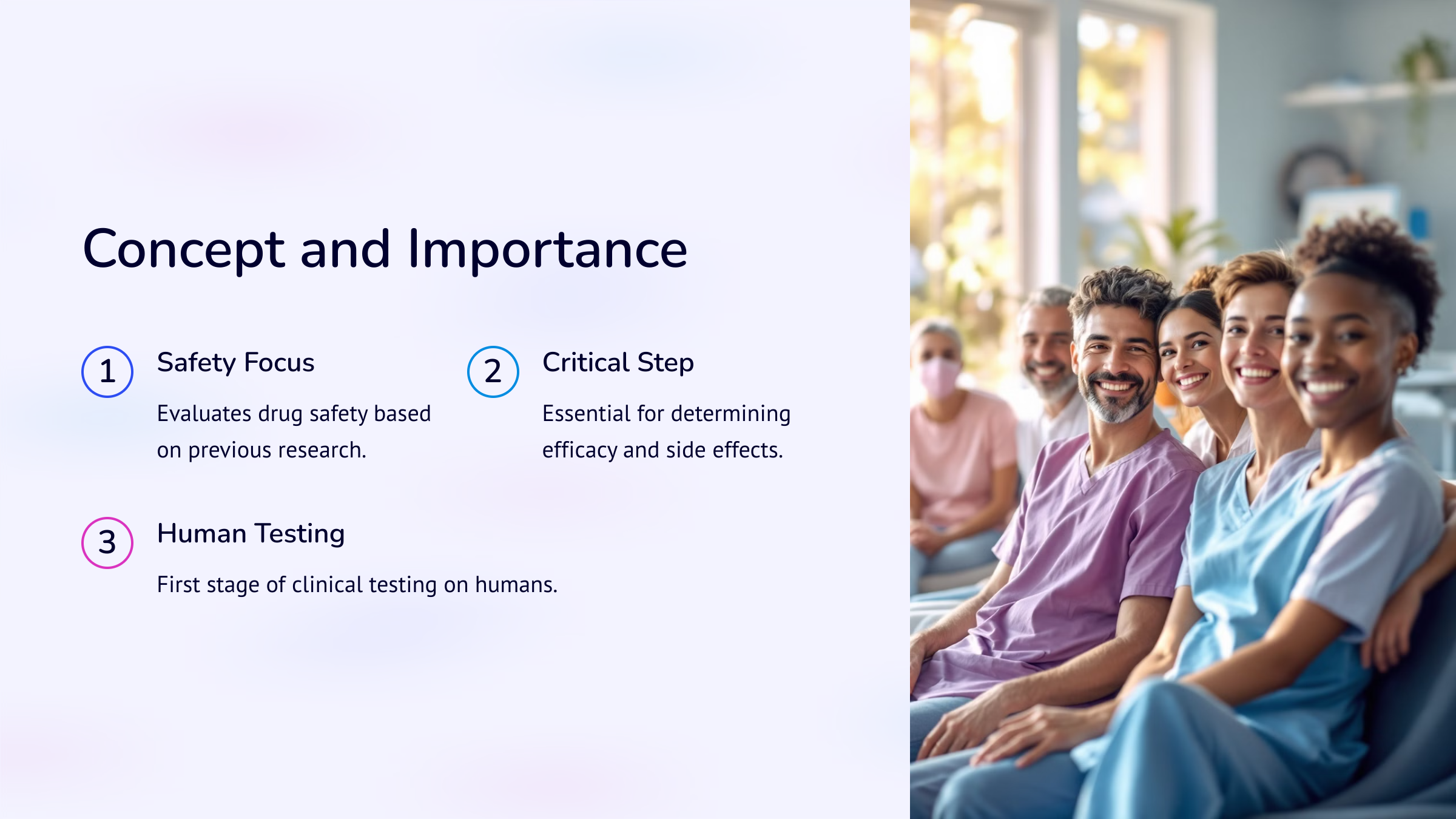
Phase 1 clinical trials are the first stage of clinical testing conducted to develop new drugs or therapies. This trial is performed on humans, focusing primarily on evaluating the safety of the drug. It is based on previous research findings and animal studies and plays a critical role in determining the efficacy and side effects of the new treatment. For these reasons, Phase 1 trials are an essential and necessary step in the drug development process.
2. Preparatory Processes and Preliminary Investigations
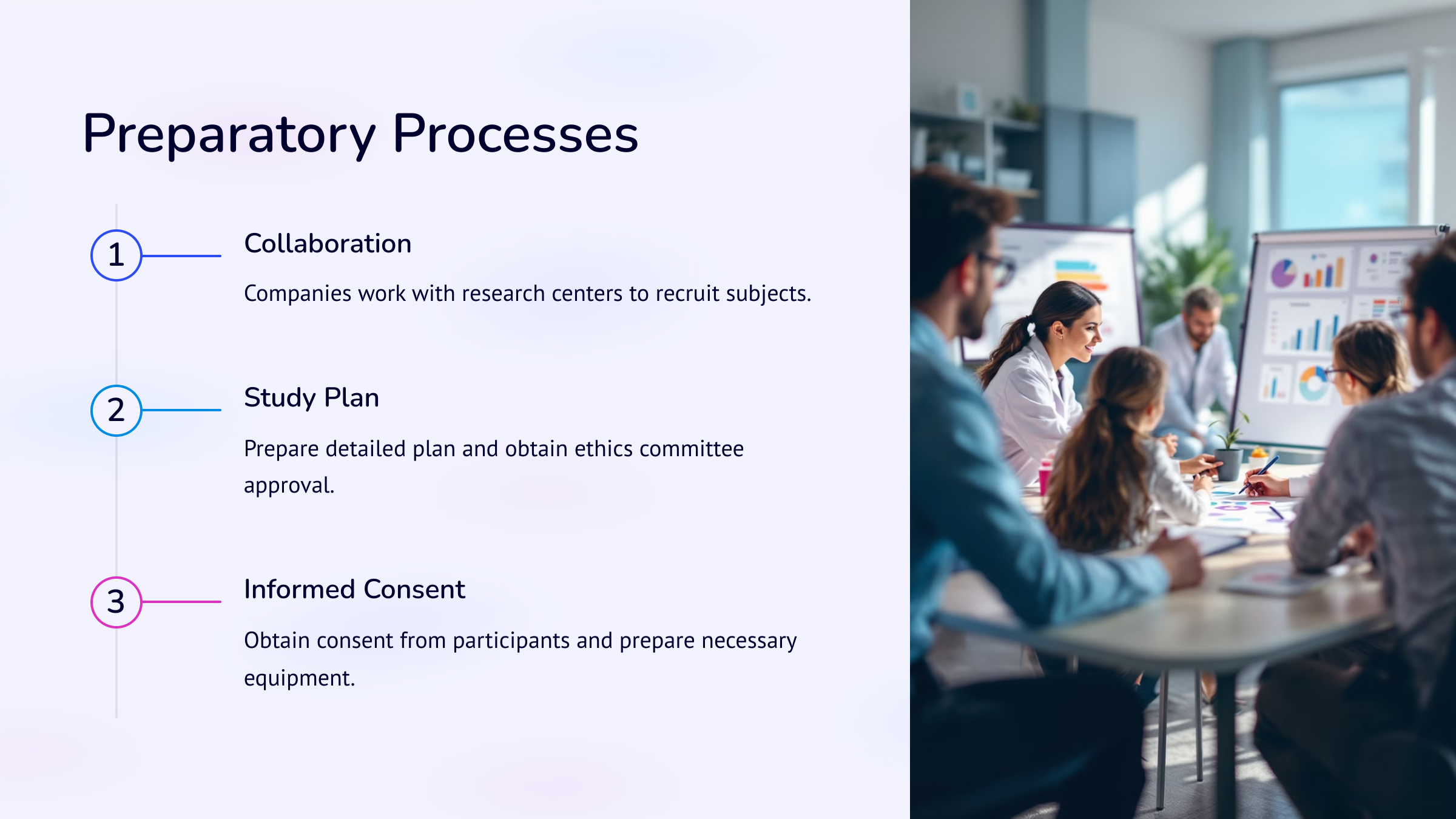
Before starting a Phase 1 trial, various preparatory processes and preliminary investigations are required. Pharmaceutical companies or research institutions collaborate with research centers to recruit human subjects, prepare a study plan, and obtain approval from the ethics committee. Informed consent must be obtained from research participants, and the necessary equipment and reagents for the study must be prepared. These preparatory steps are crucial for the smooth progress of the clinical trial.

3. Criteria and Procedures for Selecting Test Subjects
In Phase 1 trials, specific groups of subjects are selected based on certain criteria and procedures, such as age group, gender, or specific medical conditions. The selection criteria and procedures vary depending on the study’s purpose and requirements.

4. Basic Principles and Methodologies of Study Design
The study design in Phase 1 trials follows basic principles and methodologies to ensure reliability and validity. For instance, a randomized control study design may be used to compare the experimental group with a control group, and statistical analysis is performed to verify the results. Effectiveness indicators are clearly defined, and trials are conducted following a specified protocol to maintain data reliability.
Phase 1 should be designed with a priority on assessing dosing and safety. I’ve attached some reference materials related to this.

5. Safety Evaluation: The First Gateway
One of the primary objectives of Phase 1 trials is to evaluate drug safety. Participants receive the new drug over a set period, during which side effects and safety are monitored. This safety assessment is conducted with the utmost consideration for the health and well-being of participants.
6. Determining Dosage and Prescription Methods
Determining and prescribing the appropriate dosage is crucial in Phase 1 trials. Researchers set the dosage based on the drug’s pharmacokinetic properties and participants’ biological responses, and they strictly adhere to the prescribed dosage and timing to accurately assess the drug's effects and side effects.

7. Observation and Data Collection Procedures
Researchers consistently monitor the conditions and reactions of participants and collect data as per the protocol, carrying out examinations and measurements at predetermined times.

8. Managing Side Effects and Risks
Proper management of side effects and risks is essential in Phase 1 trials. Systematic measures should be in place to detect and handle any adverse effects of the new drug. Sufficient information on side effects and risks should be provided to participants, with appropriate actions taken as needed.
9. Criteria for Result Analysis and Interpretation
Data collected in Phase 1 trials are analyzed to derive results and interpretations, utilizing statistical analysis methods to determine if results are statistically significant. Comparing these findings with existing studies helps derive meaningful conclusions.
10. Completion of Phase 1 Clinical Trials and Subsequent Steps
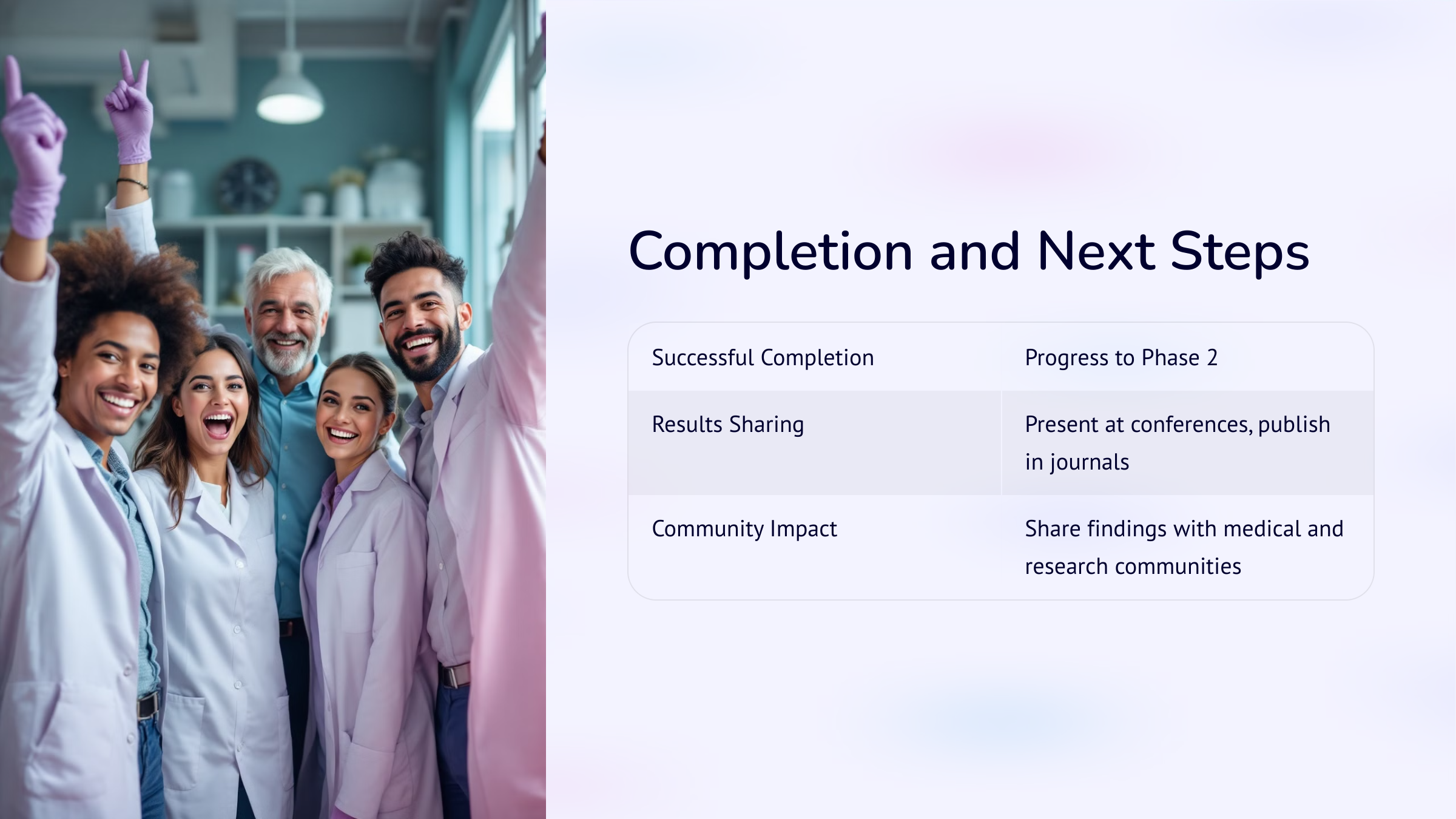
Phase 1 trials proceed over a designated period, followed by various follow-up actions upon completion. If successful, the trial progresses to Phase 2. The results and data from Phase 1 trials are often presented at academic conferences or published in journals for sharing with the medical and research communities.
This concludes our look at the process of Phase 1 clinical trials. These trials are a critical step in the development of new treatments and the evaluation of drug safety, and they must be conducted systematically and ethically. Researchers are expected to strictly adhere to ethical principles and scientific methodologies in conducting clinical trials.
Thank you for reading. If you have any comments, feel free to leave them below.