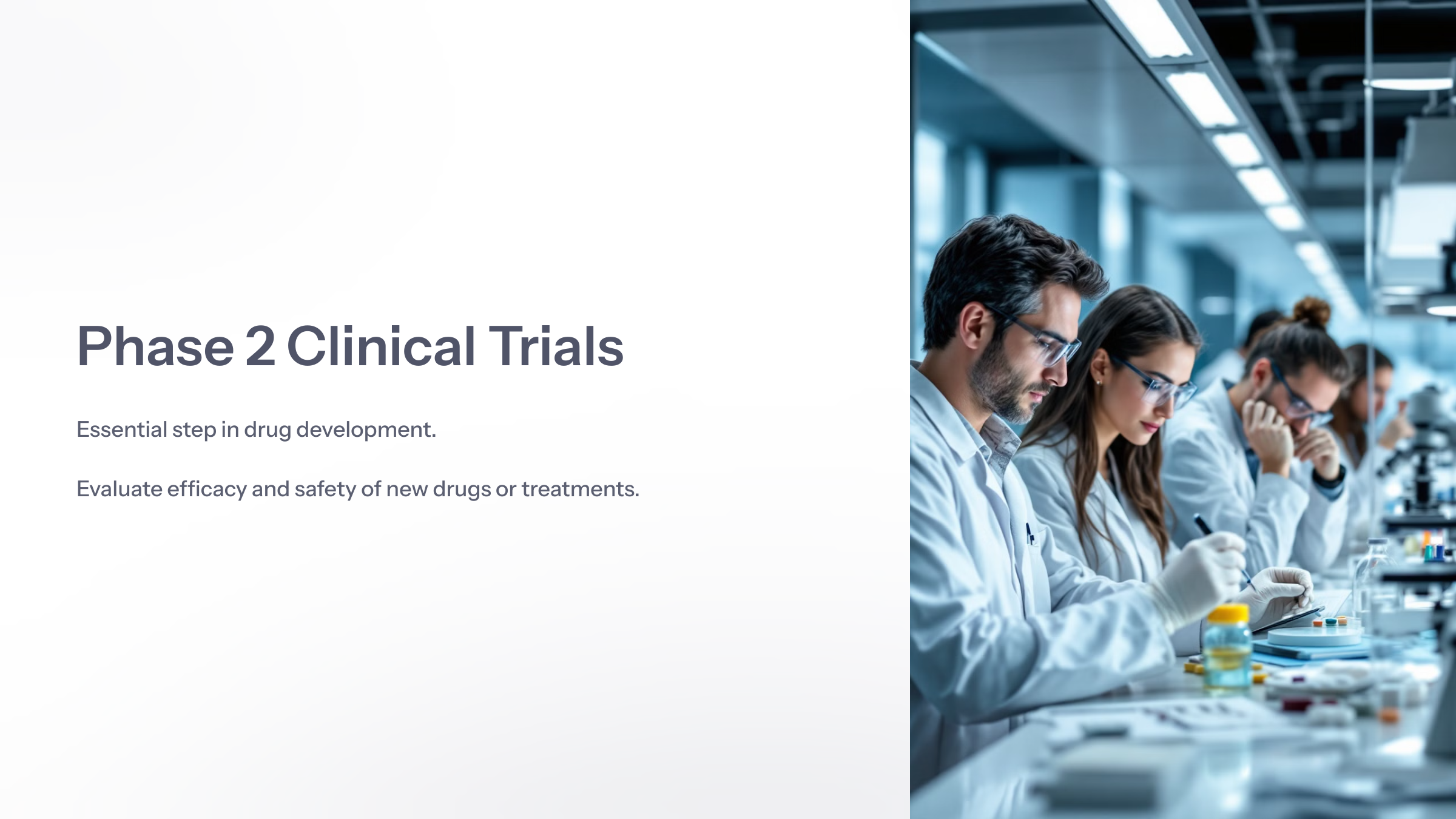
Hello! Today, I'd like to introduce you to Phase 2 clinical trials, an essential step in drug development. Clinical trials are conducted to evaluate the efficacy and safety of new drugs or treatments, and Phase 2 trials are particularly significant. Let’s take a closer look at how they work!
1. Concept and Importance of Phase 2 Clinical Trials
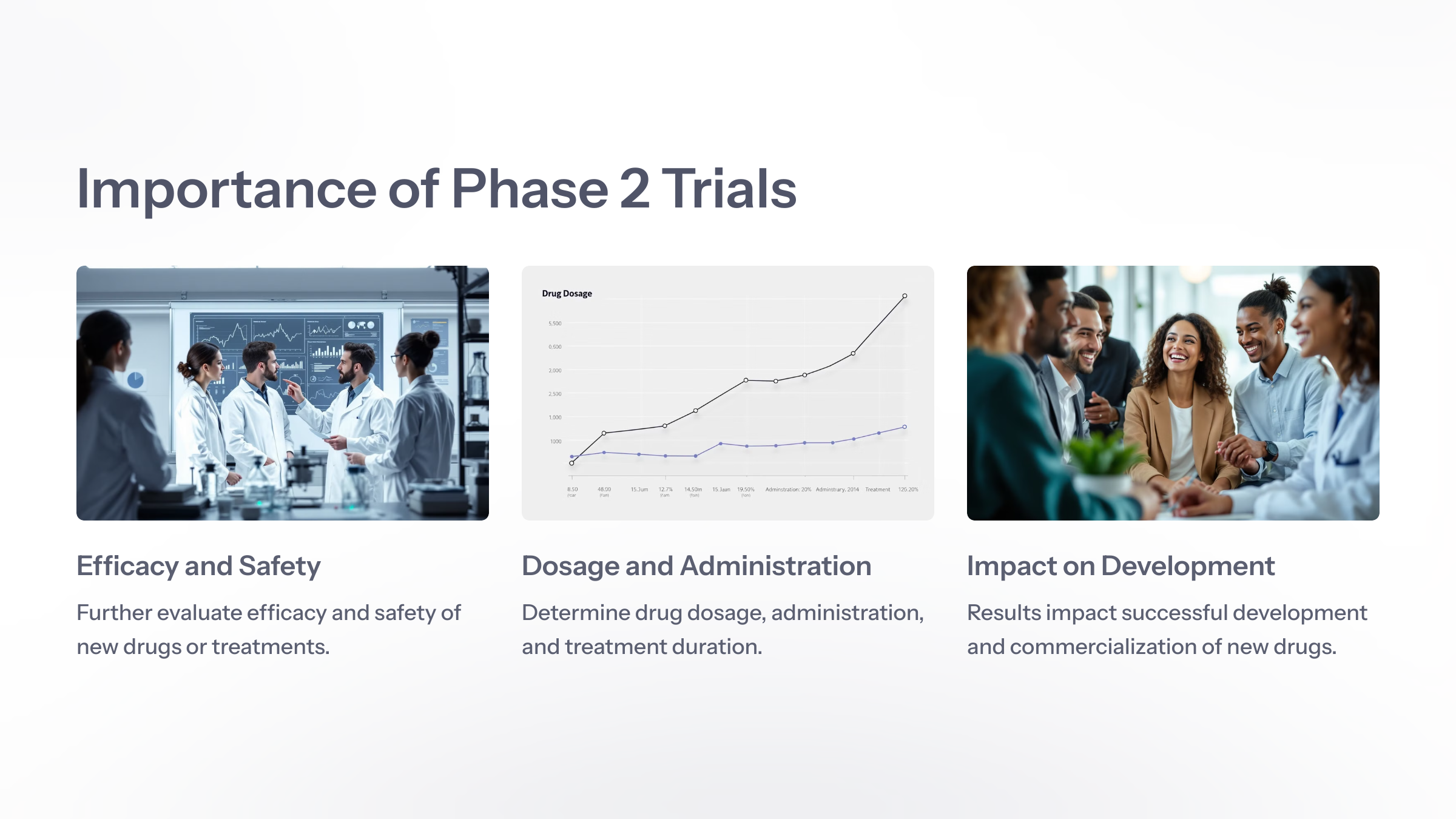
Phase 2 clinical trials are conducted to further evaluate the efficacy and safety of new drugs or treatments. This stage builds upon promising results obtained in the earlier stages, expanding the research to verify these findings. Phase 2 trials play a crucial role in determining the drug’s dosage, administration, and treatment duration, making this phase essential in the drug development process. Therefore, the results of Phase 2 trials significantly impact the successful development and commercialization of new drugs.
2. General Understanding of the Clinical Trial Process
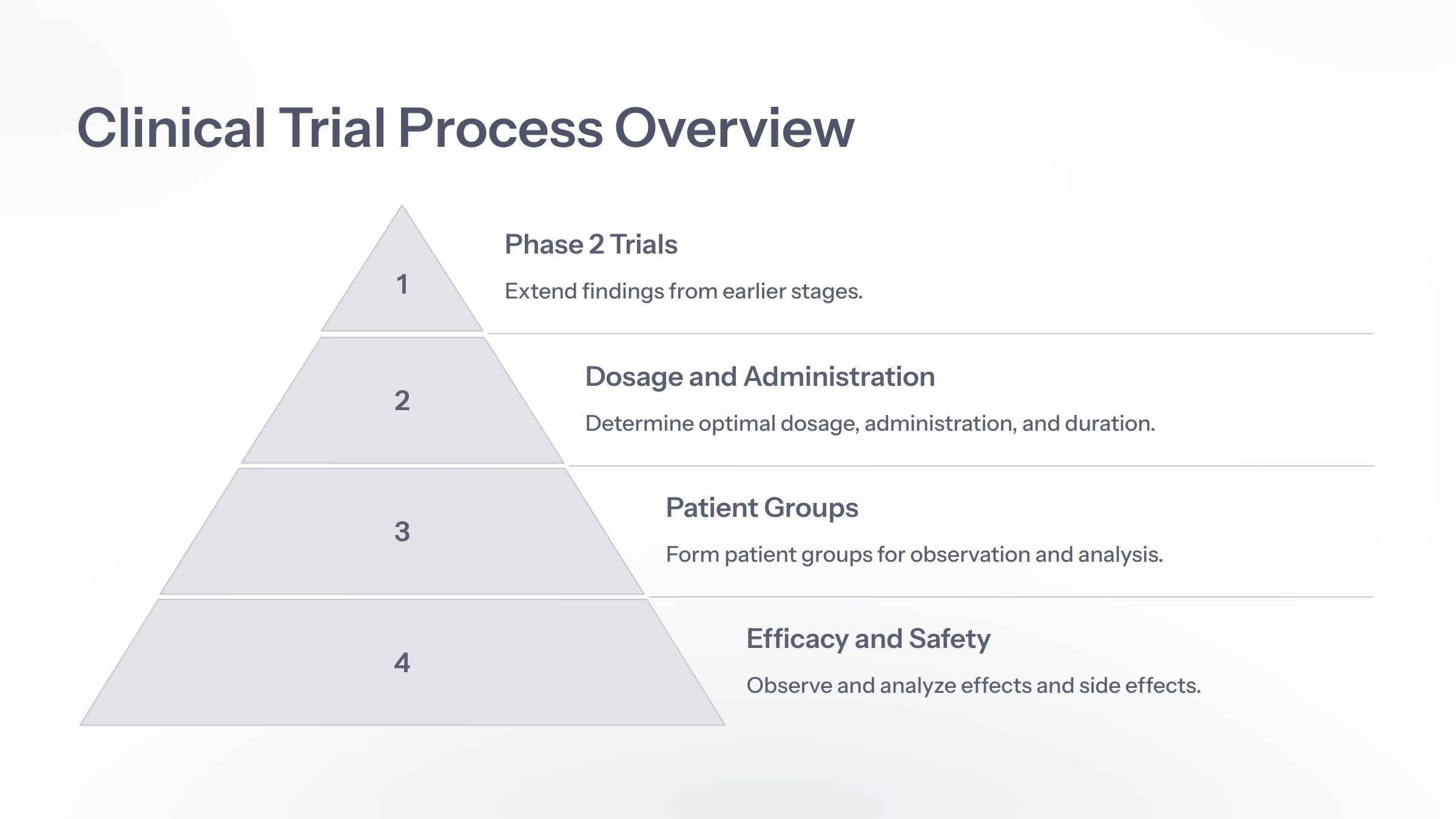
In clinical trials, researchers test new drugs or treatments on humans to confirm their efficacy and safety. Phase 2 trials involve larger-scale studies to extend findings from earlier stages, enabling researchers to determine optimal dosage, administration, and treatment duration. During this phase, patient groups are formed, and researchers systematically observe and analyze the effects and side effects of the drug.

3. Setting Goals for Phase 2 Clinical Trials
The goals of Phase 2 clinical trials can be set from several perspectives:
- Firstly, allocate time and resources to assess the efficacy and safety of the drug in more detail.
- Secondly, set goals to expand and verify the promising results obtained in the earlier stages.
- Thirdly, aim to determine the drug’s dosage, administration, and duration of treatment as an intermediate stage.
Setting these goals is a crucial step that researchers should carefully consider before planning and conducting Phase 2 trials.

4. Criteria and Procedures for Selecting Trial Subjects
Phase 2 trial subjects are usually patients with a specific disease or condition. These subjects are selected based on criteria relevant to the study objectives. For example, researchers may select patients with a particular disease to evaluate the drug's efficacy in more detail. This selection process involves strict procedures, which are essential to ensure the validity and reliability of the trial results.

5. Study Design: Deciding the Experimental Methodology
In Phase 2 trials, researchers need to determine the study methodology, including how to administer the drug, the observation period, and data collection and analysis methods. Study design is the process by which researchers select methods that best suit the trial’s objectives and research questions. This helps enhance the validity and reliability of the study results.
Superiority vs. Non-Inferiority vs. Equivalence
Choosing the appropriate study design based on literature and similar clinical trials involves comparing margins. For reference, superiority trials require the smallest number of patients but carry the highest risk. Selecting an appropriate design impacts both cost and duration.

6. Data Collection and Analysis Methods
In Phase 2 trials, researchers must systematically collect and analyze data on the drug’s efficacy and safety. To do this, they use standardized data collection forms and ensure that data is recorded accurately and consistently. Collected data is analyzed statistically to evaluate the drug’s efficacy and safety.
7. Safety Assessment and Side Effect Monitoring
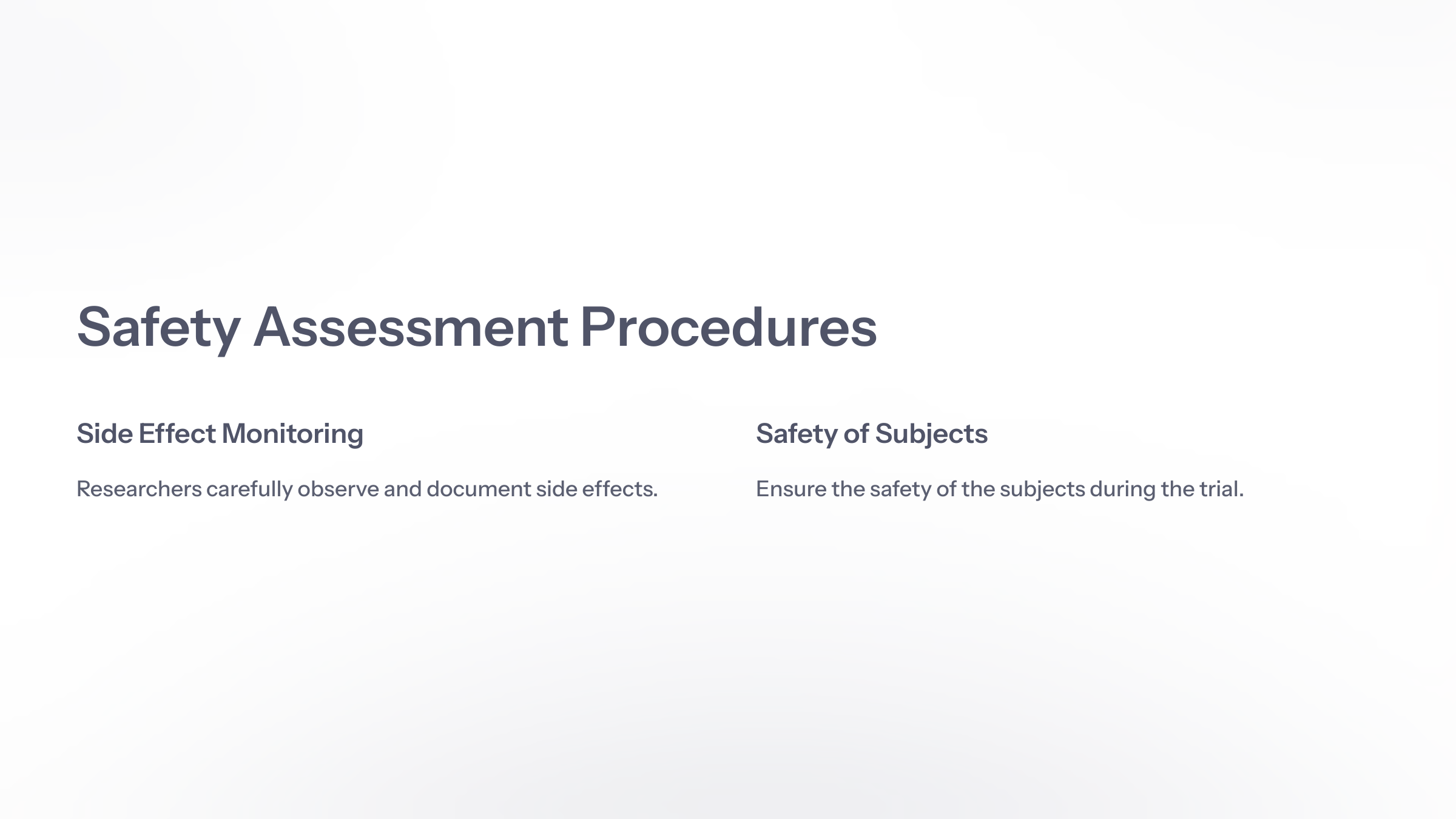
Safety assessment and side effect monitoring are essential in Phase 2 trials. Researchers carefully observe and document side effects after administering the drug to ensure the safety of the subjects. This allows them to assess the drug’s safety and take steps to protect the trial participants.
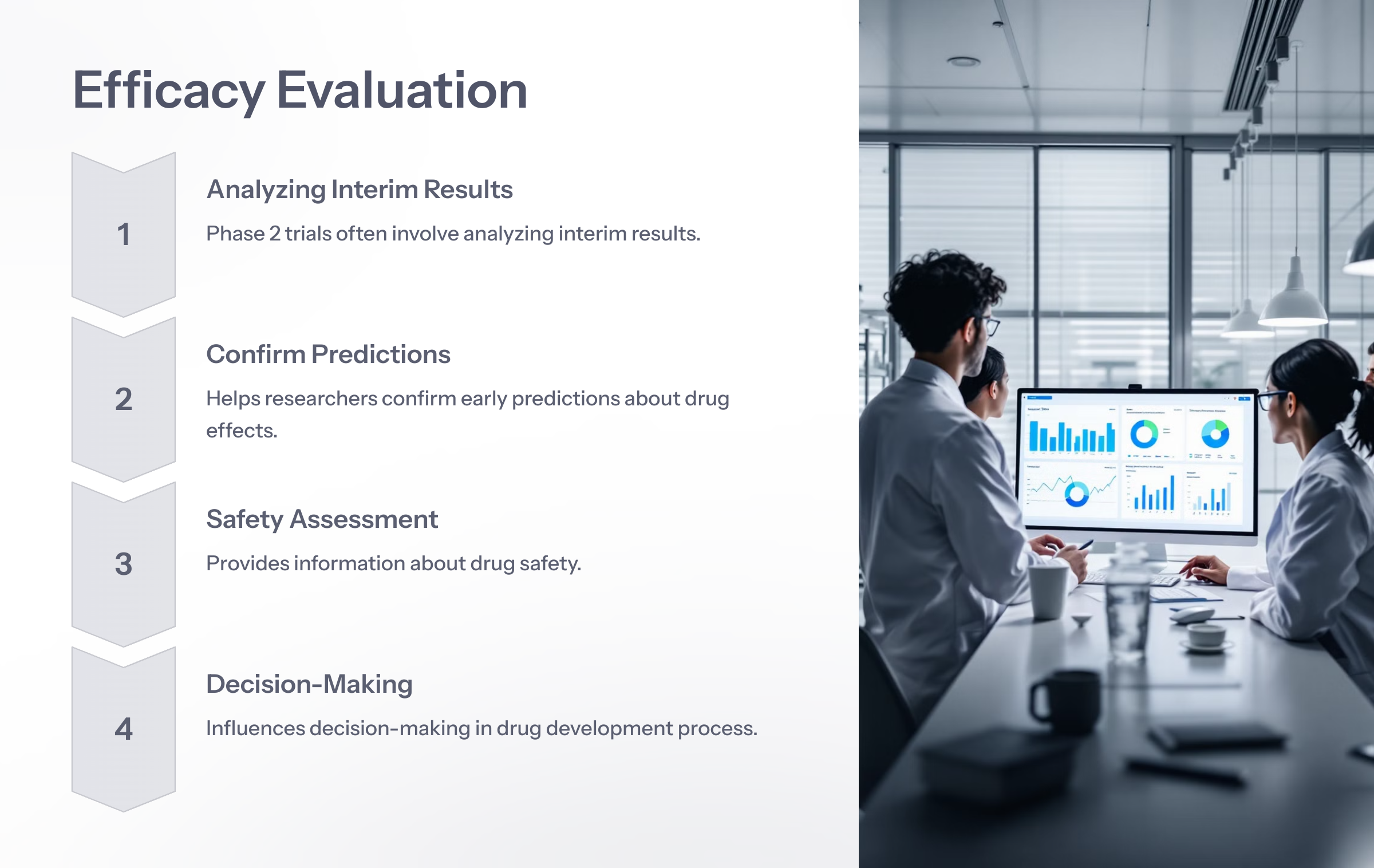
8. Efficacy Evaluation: Analyzing Interim Results
To evaluate efficacy, Phase 2 trials often involve analyzing interim results. This step helps researchers confirm early predictions about the drug’s effects and safety and decide on further research directions. Interim results provide reliable information that can influence decision-making in the drug development process.

9. Interpreting Results and Preparing for the Next Phase
Interpreting Phase 2 trial results and preparing for the next steps are essential. Researchers analyze the results carefully to learn from the trial's success or failure and develop future plans for drug development. Result interpretation and planning for the next phase are critical steps for determining the direction of drug development.

10. Considerations After Successfully Completing Phase 2 Trials
After successfully completing Phase 2 trials, there are important considerations for moving to the next phase. These include planning additional clinical trials, publishing and presenting trial results, and collaborating with regulatory agencies. These considerations are essential for ensuring smooth progress in the drug development process.
Phase 2 clinical trials are a critical stage for evaluating the efficacy and safety of new drugs or treatments. Accurate and systematic planning and conduct of these trials can significantly aid the development and commercialization of new drugs. By carefully planning and conducting Phase 2 trials, researchers contribute to the creation of better treatments and medications.
Thank you for reading! If you have other thoughts or questions, feel free to leave a comment.